







Understanding the CBT cycle and how it shapes your mental health
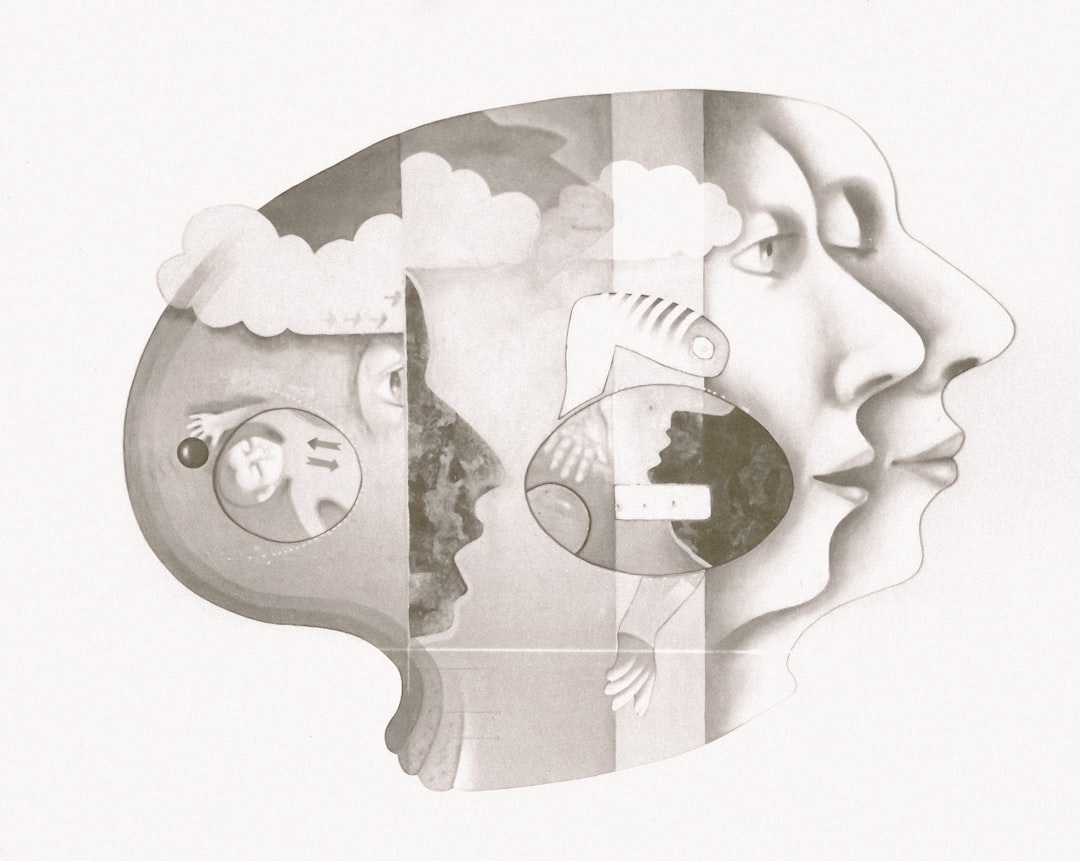
Cognitive Behavioural Therapy (CBT) offers a clear map of how thoughts, feelings and behaviours interact. I invite you to follow a practical tour of that map so you can better understand patterns that maintain depression and anxiety — and how to interrupt them. I will blend concise theory, concrete examples and actionable self-help tools so you leave with usable strategies.
The CBT cycle: a simple framework for complex problems
Defining thoughts, feelings and behaviours
Thoughts are the inner commentary — the judgments and predictions you run on repeat. Feelings are the emotional reactions that follow, such as sadness or fear. Behaviours are what you do in response: avoidance, rumination, or action. When one element shifts, the others follow. For example, a thought like “I’ll fail” can trigger anxiety, which pushes you to avoid trying; avoidance then reinforces the belief of inevitable failure. That looping pattern is the heart of the CBT cycle.
How the cycle maintains distress
The loop becomes self-reinforcing. A single negative interpretation of an event leads to intense emotion and a safety behaviour (e.g., canceling an interview). The immediate relief from avoidance strengthens the pattern. Over time, the belief grows stronger and mood worsens. With depression, withdrawal and inactivity reduce opportunities for positive feedback. With anxiety, hypervigilance and avoidance prevent disconfirmation of catastrophic predictions.
How distorted thinking drives depression and anxiety
Common cognitive distortions that perpetuate symptoms
Cognitive distortions are predictable thinking traps. Examples include catastrophizing (“This will ruin my life”), black-and-white thinking (“If I’m not perfect, I’m worthless”), and mind reading (“They think I’m incompetent”). These distortions amplify emotional reactions. Recognising them is the first corrective step.
Emotional and behavioural cascade in practice
Take social anxiety: you interpret a pause in conversation as rejection (thought), feel shame (feeling), and avoid social events (behaviour). Avoidance eliminates the chance to test the belief that you’ll be accepted, so the belief persists. For depression, repetitive hopeless thoughts lead to energy loss and reduced engagement, which then confirm hopelessness through lack of positive outcomes.
CBT techniques to interrupt the cycle
Cognitive restructuring: change the lens
Cognitive restructuring teaches you to notice automatic thoughts, evaluate evidence, and generate balanced alternatives. I suggest a simple script: pause, label the thought, gather evidence for and against it, and create a more balanced thought. For example: “I’ll fail” → evidence against: past successes, parts under my control → balanced thought: “This is challenging, but I can prepare and learn.” That shift reduces emotional intensity and opens up better choices.
Behavioural activation and graded exposure
Behavioural activation counters depression with planned activity that boosts mood through mastery and pleasure. Start small: 10-minute walks, short social calls, or a brief hobby session. For anxiety, graded exposure involves approaching feared situations in small, manageable steps. The goal is to accumulate corrective experiences so beliefs update. Consistent, repeated rehearsal dissolves avoidance patterns.
Practical self-help tools and resources
Thought records and mood tracking
A thought record is a practical worksheet where you log the situation, automatic thought, emotion intensity, evidence for/against, and alternative thought. Mood tracking apps or simple journals help you see patterns over weeks. Data provides clarity and motivation — you can measure progress.
Daily CBT exercises you can use now
- Schedule one behavioural activation each day (small, specific).
- Practice a 5-minute thought audit when mood dips: name the thought, rate belief 0–100%, and challenge it.
- Use exposure hierarchies for anxiety: list fears, rank them, tackle rank 1 repeatedly until anxiety reduces by 50%.
- Set micro-goals with immediate reinforcement: finish a task and reward yourself with something small.
Evidence and when to seek professional help
Research support and limits of self-help
CBT is one of the most evidence-based psychotherapies for depression and anxiety. Self-help adaptations (guided workbooks, apps) can be effective, particularly for mild-to-moderate difficulties. However, severe symptoms, suicidal thoughts, or complex comorbidity usually require therapist guidance or combined treatments (CBT plus medication).
Signs that professional care is advisable
If symptoms interfere substantially with daily functioning, if you struggle to implement techniques despite trying, or if safety concerns arise, reach out to a mental health professional. Therapy provides tailored strategies, accountability and deeper work on entrenched patterns.
- Recognise the loop: thoughts → feelings → behaviours.
- Use thought records to challenge cognitive distortions.
- Prioritise behavioural activation for depression and graded exposure for anxiety.
- Track progress with simple journals or apps.
- Seek professional help when symptoms are disabling or safety is a concern.
Practical summary: Apply the CBT cycle today
I hope I’ve given you a clear map and simple tools. Start by noticing one recurring thought this week. Log it, test it, and try one behavioural experiment that contradicts it. Small, consistent steps break the cycle. Over time, repeated practice reshapes thinking, calms feelings and restores meaningful action. You don’t have to overhaul everything at once — patience and a methodical approach carry the change.
For further practical worksheets and clear guidance that complement the techniques above—thought records, behavioural activation and graded exposure—see psychological-therapies-unit.co.uk.