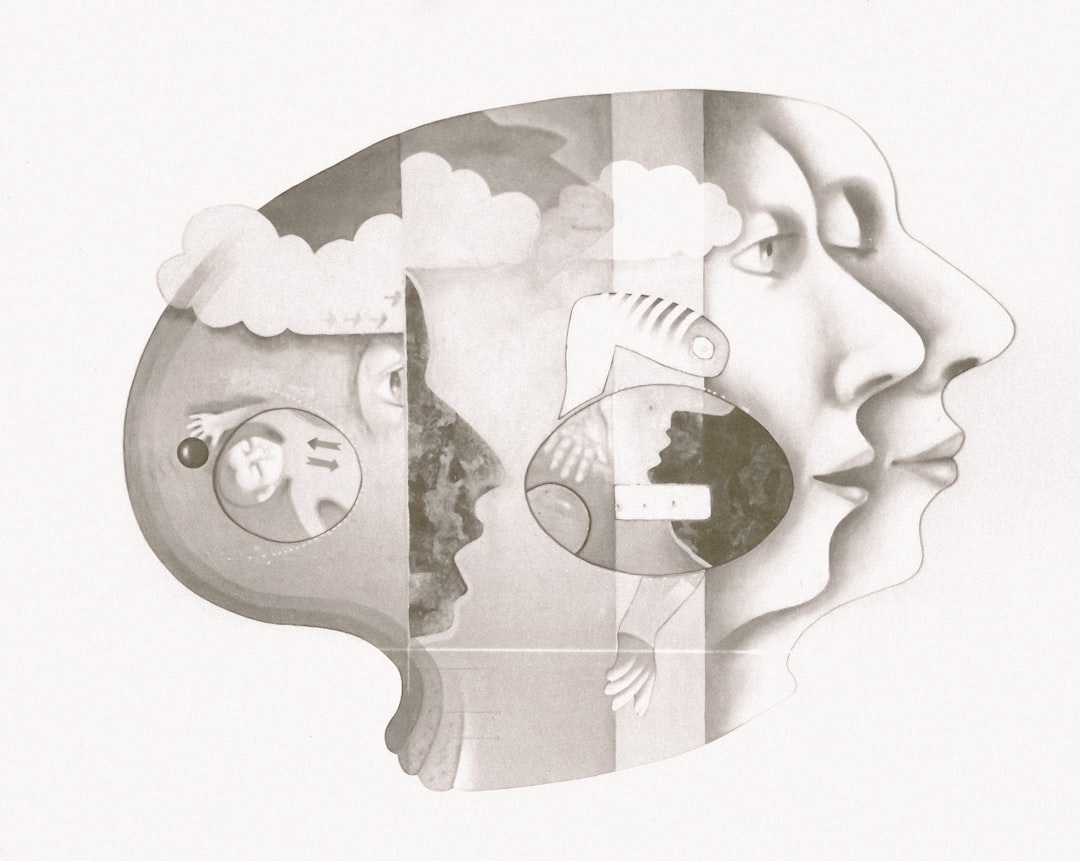







From worry to action with practical anxiety strategies
Anxiety can feel like a constant background hum or a sudden, overwhelming tide. Whether you live with persistent worry or are sometimes blindsided by panic attacks, the shift from passive worry to purposeful action is possible. I will guide you through practical strategies—grounding techniques, exposure, and everyday coping skills—that you can use right away to reduce intensity and build long-term resilience.
Understanding anxiety and panic attacks
What anxiety and panic look like in daily life
Anxiety often shows up as repetitive thoughts, muscle tension, sleep disruption, or a persistent urge to avoid perceived threats. I notice that many people describe a fog of what-ifs that colors decisions and drains energy. Recognizing these patterns—thought loops, avoidance behaviors, and physiological signs—helps you decide which tools to use first.
How panic attacks develop and what to expect
A panic attack is a sudden surge of intense fear accompanied by physical sensations: racing heart, shortness of breath, dizziness, or chest tightness. These symptoms can be terrifying, but they are typically short-lived. When you understand that panic attacks are the body’s alarm system misfiring rather than imminent catastrophe, you gain a foothold for responding with calm, targeted techniques.
Grounding techniques for immediate relief
Sensory grounding: anchor yourself with the present
Sensory grounding uses your five senses to pull you out of spiraling thoughts. Try the 5-4-3-2-1 method: name five things you see, four you can touch, three you hear, two you smell, and one you taste. I recommend practicing this regularly so the sequence becomes automatic during a high-anxiety moment. The concrete focus interrupts the brain’s threat loop and reduces physiological arousal.
Breathwork and progressive muscle relaxation
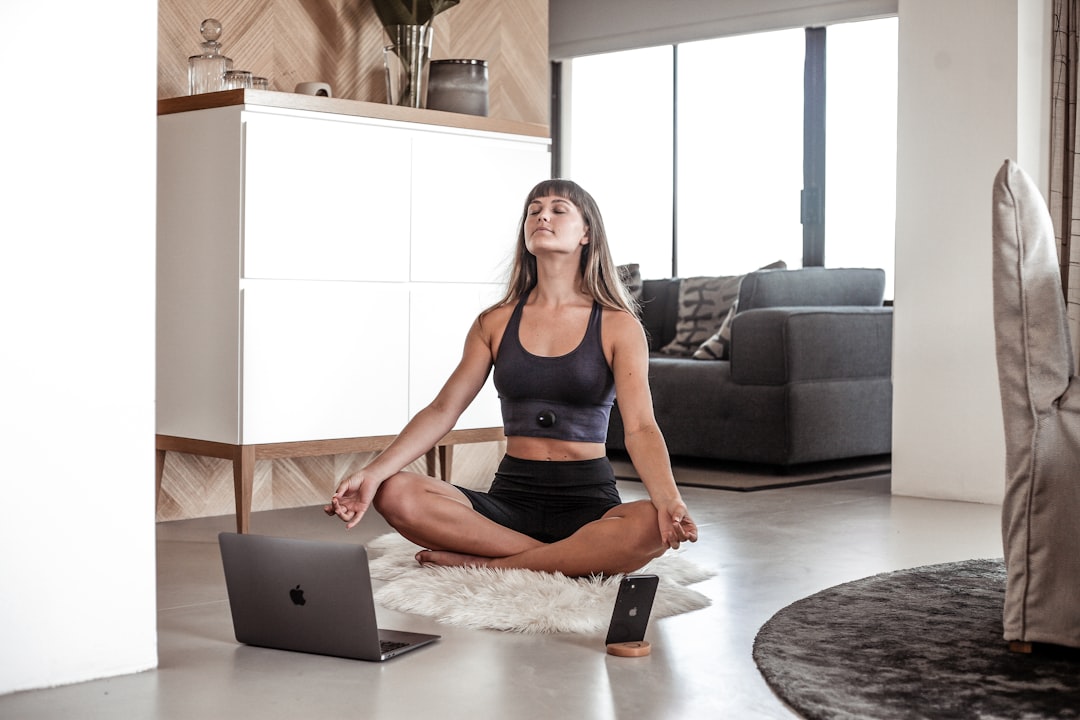
Controlled breathing calms the nervous system quickly. A simple, effective pattern is box breathing: inhale for four seconds, hold four, exhale four, hold four. Combine this with progressive muscle relaxation—tense and release muscle groups from toes to head—and you’ll feel both immediate and cumulative relief. These methods lower heart rate and message your brain that safety is returning.
Exposure and gradual desensitization
Building a fear hierarchy that works
Exposure reduces fear by repeated, controlled contact with avoided situations. Start by listing triggers and ranking them from least to most distressing. I encourage you to pick small, achievable steps rather than attempting a single heroic leap. For example, if public speaking provokes panic, begin by reading aloud to a trusted friend, then record yourself, then present to a small group.
Practical exposure exercises with safety and pacing
Effective exposure is systematic and predictable. Schedule short, frequent sessions rather than long, infrequent ones. Use a timer and set a clear goal for each attempt. After each exposure, reflect on what changed: Was the worst outcome avoided? How long did distress last? Over time, your nervous system recalibrates and the feared scenario loses its power.
Coping skills and daily habits to strengthen you
Cognitive tools: reframing and thought records
Cognitive techniques help you interrogate anxious thoughts. When a catastrophic thought appears, ask: “What evidence supports this?” and “What’s a more balanced view?” I often suggest keeping a brief thought record—situation, automatic thought, alternative thought, outcome. This trains your mind to move from reactivity to evaluation, reducing the frequency of intense worry.
Lifestyle choices that shape emotional resilience
Habits matter. Regular sleep, moderate exercise, balanced nutrition, and limiting stimulants like caffeine all lower baseline anxiety. Social connection offers emotional buffering. Even small routines—morning sunlight, brief walks, or a consistent bedtime ritual—stabilize mood. I favor micro-habits: tiny actions done consistently, which compound into meaningful change.
Quick-access toolbox: techniques to use today
- Grounding: 5-4-3-2-1 sensory exercise
- Breath control: box breathing (4-4-4-4)
- Muscle release: progressive tension from toes to head
- Short exposures: 10–15 minute graded practice
- Cognitive pause: note and reframe one automatic thought
- Daily habit: 10 minutes of brisk walking or sunlight exposure
Sustained anxiety relief: a practical maintenance plan
To keep progress, create a simple weekly plan. I suggest scheduling one exposure practice, two grounding/breathing sessions, three physical-activity blocks, and one reflective session using a thought record. Track small wins—days with fewer avoidance behaviors, shorter panic episodes, or more restful sleep. When setbacks occur, treat them as data, not failures. Adjust your hierarchy, shorten session lengths, or seek support.
If panic attacks persist or significantly impair daily life, consider professional help. Therapy approaches like cognitive-behavioral therapy (CBT) and guided exposure are highly effective. Medication can be appropriate in some cases, often as a bridge while you build skills. Combining professional guidance with the practical strategies above accelerates recovery.
I want you to remember this: moving from worry to action is about steady, compassionate practice. Use grounding to regain control in the moment, apply exposure to shrink fear over time, and cultivate daily coping skills to strengthen your baseline. Small, consistent steps create big change.
For a concise overview of clinic-based CBT approaches, stepped care pathways, and guided exposure practices that align with these strategies, see psychological-therapies-unit.co.uk.