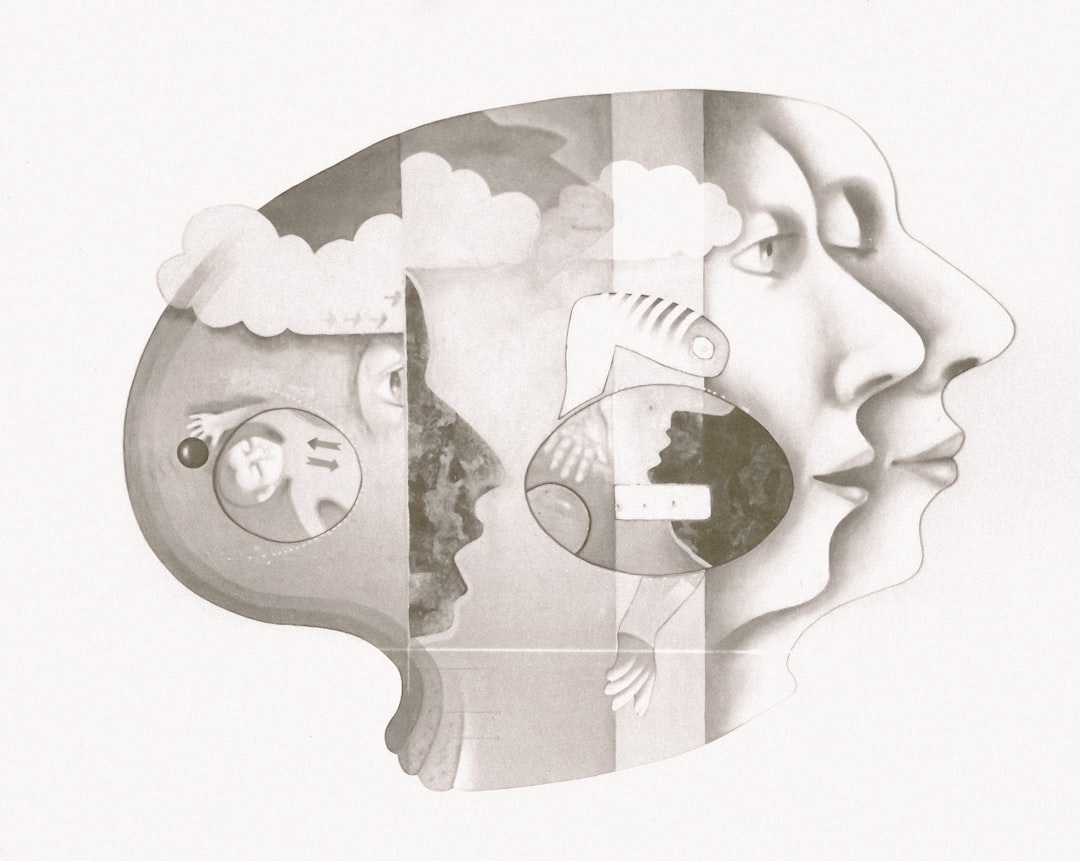









A blog offering clear, accessible psychological insights and evidence‑based therapy approaches for individuals, families and organisations, with a focus on conditions such as depression, anxiety, phobias, OCD and trauma. Discover practical guidance on cognitive behavioural therapy, solution focused brief therapy, wellbeing, coaching, and mental health support tailored to real‑life challenges. Based in Liverpool, we also provide psychotherapy services and medico‑legal assessments to support recovery, resilience and long‑term mental health.
Accessible Psychology & Mental Health Support
Welcome to our blog and psychotherapy hub, where psychological knowledge is made clear, practical and genuinely useful for everyday life.
We share evidence‑based insights, psychotherapy approaches and real‑world mental health support for individuals, families, teams and organisations. Based in Liverpool, we also offer local psychotherapy and medico‑legal psychological assessments.
Whether you are living with depression, anxiety, phobias, OCD, trauma or are simply looking to strengthen your wellbeing and resilience, this space is designed to help you understand what’s happening, what can change, and how.
Our Mission
Our mission is simple:
- Make psychology accessible – clear explanations without jargon.
- Share evidence‑based approaches – grounded in research, not trends.
- Support real‑life challenges – work, family, health, relationships and recovery.
- Bridge knowledge and practice – from blog learning to 1‑to‑1 psychotherapy.
We believe that psychological knowledge should empower, not overwhelm. You do not need a background in mental health to understand what we share here. Our content is written for people who want clarity, direction and realistic steps forward.
Who This Blog Is For
This blog is designed for:
- Individuals dealing with low mood, stress, anxiety, phobias, OCD or trauma.
- Parents and families supporting a loved one struggling with mental health difficulties.
- Professionals and organisations wanting to improve staff wellbeing, psychological safety and resilience at work.
- Students and trainees in psychology, counselling or coaching looking for accessible, practice‑oriented explanations.
You might be:
- Considering therapy for the first time and unsure where to start.
- On a waiting list and wanting tools you can use now.
- Supporting someone who is struggling and feeling out of your depth.
- A manager or HR professional aiming to create healthier workplace cultures.
Wherever you’re starting from, our aim is to help you feel more informed, less alone, and more able to act.
What You’ll Find Here
Our content is organised around key areas of mental health and psychological support.
1. Understanding Common Mental Health Difficulties
We offer clear, compassionate explanations of conditions such as:
- Depression – why it develops, how it is maintained, and how it can be treated.
- Anxiety – from generalised anxiety and panic to social anxiety and health anxiety.
- Phobias – including fears of flying, animals, needles, driving or specific situations.
- OCD (Obsessive‑Compulsive Disorder) – intrusive thoughts, compulsions and the cycle that keeps them going.
- PTSD and trauma‑related difficulties – including complex trauma and the long‑term impact of adverse experiences.
Each topic is approached from both a psychological and practical perspective:
- What is actually happening in the mind and body.
- Why symptoms make sense in context.
- What current research suggests about effective treatment.
- What you can start doing differently today.
Our goal is to replace shame and confusion with understanding and choice.
2. Evidence‑Based Psychological Therapies
We focus on therapy approaches with strong research support. You will find explanations of how they work, what to expect and who they help.
Cognitive Behavioural Therapy (CBT)
CBT is one of the most widely researched psychological therapies.
On the blog, we explore:
- The CBT model: how thoughts, emotions, physical sensations and behaviours interact.
- How unhelpful thinking patterns can keep depression and anxiety going.
- Behavioural strategies for breaking cycles of avoidance, withdrawal and worry.
- CBT tools for:
- Depression treatment – activity scheduling, behaviour experiments, restructuring negative beliefs.
- Anxiety management – exposure, worry management, challenging catastrophic thinking.
- OCD – exposure and response prevention (ERP) explained in everyday language.
- Phobias – step‑by‑step exposure plans built around your real life.
You will also find worksheets, reflective questions and examples to help you apply CBT principles in your own context.
Solution Focused Brief Therapy (SFBT)
Solution Focused Brief Therapy is a future‑oriented approach that helps you move towards what’s working and what you want more of in your life.
We write about:
- How SFBT differs from problem‑focused approaches.
- Using solution‑focused questioning to clarify your preferred future.
- Identifying strengths, resources and exceptions to the problem.
- How SFBT can be used in:
- Short‑term therapy.
- Coaching conversations.
- Workplace and organisational settings.
Articles offer practical prompts you can use alone, with a partner, in supervision or in leadership roles.
Psychotherapy & Integrative Approaches
Beyond specific methods, we also discuss broader psychotherapy themes, such as:
- Building a safe therapeutic relationship.
- Understanding patterns in relationships and attachment.
- Trauma‑sensitive practice and stabilisation.
- Working with meaning, values and identity.
Our Liverpool‑based psychotherapy service draws on CBT, SFBT and other evidence‑informed approaches to tailor therapy to your needs, situation and preferences.
Conditions & Challenges We Focus On
Depression: Making Sense of Low Mood
Depression is more than sadness. It affects energy, motivation, concentration, sleep, appetite and relationships.
On the blog, we explore:
- How depressive cycles develop and are reinforced.
- The role of isolation, self‑criticism and hopelessness.
- How activity levels, thinking styles and life events interact.
- Evidence‑based approaches to depression treatment, including CBT and behavioural activation.
We provide practical strategies such as:
- Setting small, realistic goals when everything feels heavy.
- Balancing rest and activity without guilt.
- Challenging the inner critic and building more compassionate self‑talk.
- Recognising when professional support is important.
Anxiety: From Coping to Confidence
Anxiety shows up in many forms: persistent worry, sudden surges of panic, social fears, health concerns or intense unease in everyday situations.
Our anxiety content covers:
- Understanding the body’s threat system and why anxiety is not your fault.
- How avoidance and safety behaviours unintentionally keep anxiety going.
- Tools for anxiety management, including breathing, grounding and CBT techniques.
- Managing panic attacks and fear of fear.
- Supporting children, teens or partners living with anxiety.
Articles focus on do‑able changes rather than perfection, helping you gradually rebuild confidence and freedom.
Phobias: Overcoming Specific Fears
Phobias can be highly distressing yet very treatable.
We explore:
- How specific fears develop and become entrenched.
- Why the fear response feels so automatic and intense.
- How exposure‑based CBT works and why it is effective.
You will find guidance on designing stepped exposure plans for fears such as:
- Flying, driving or travelling.
- Needles, blood or medical procedures.
- Animals or insects.
- Situations like lifts, tunnels or open spaces.
Content is written to be both encouraging and realistic, acknowledging fear while highlighting your capacity to change.
OCD: Understanding Intrusive Thoughts & Compulsions
OCD is often misunderstood and minimised. Here, we aim to clarify what OCD is – and is not.
Topics include:
- The difference between everyday worries and OCD intrusions.
- Common themes (contamination, harm, checking, order, religious or moral fears, relationships).
- The cycle of obsession, anxiety, compulsion and relief.
- Why resisting compulsions feels so difficult.
- Evidence‑based treatments, including ERP within CBT.
We also look at how families and partners can respond in ways that are supportive without reinforcing OCD patterns.
PTSD & Trauma: Pathways to Recovery
Trauma can arise from a single event or repeated, long‑term experiences. Its impact is complex but not irreversible.
Our trauma and PTSD recovery content includes:
- What PTSD is and how it differs from other trauma responses.
- Symptoms such as flashbacks, nightmares, hypervigilance and emotional numbing.
- The role of the nervous system and survival responses (fight, flight, freeze, fawn).
- Trauma‑informed approaches to therapy and support.
We emphasise safety, stabilisation and choice, offering guidance on:
- Grounding techniques for flashbacks and overwhelm.
- Building support systems and safe relationships.
- Understanding triggers without self‑blame.
- Deciding when specialist trauma therapy is appropriate.
Wellbeing, Resilience & Everyday Mental Health
Psychological support is not only for times of crisis. We also focus on maintaining wellbeing and building resilience over the long term.
Everyday Wellbeing
Our wellbeing section covers:
- Sleep, routine and energy management.
- Setting boundaries and saying no without guilt.
- Navigating life transitions and loss.
- Building healthy, respectful relationships.
- Supporting mental health alongside physical health conditions.
Each article is designed to be actionable, offering exercises, reflection prompts and small steps that gradually add up.
Coaching & Personal Development
Coaching content is designed for people who may not need therapy but want to grow, change or re‑orient their lives.
We explore:
- Clarifying values and direction.
- Goal‑setting that supports wellbeing rather than burnout.
- Building motivation and following through.
- Handling setbacks without harsh self‑judgement.
- Developing confidence and self‑belief.
We also look at where coaching ends and therapy begins, and how the two can complement each other.
Families, Couples & Relationships
Mental health rarely affects just one person. It ripples across families, friendships and workplaces.
Our relationship‑focused articles address:
- Supporting a partner, child or parent who is struggling.
- Communicating about mental health in ways that build trust.
- Managing conflict and differences in coping styles.
- Caring for yourself while caring for others.
Content is grounded in psychological theory but written for everyday use.
Support for Organisations & Workplaces
Psychological wellbeing is central to effective, humane workplaces. For organisations, teams, managers and HR professionals, we offer:
- Insights into stress, burnout and psychological safety at work.
- Guidance on compassionate leadership and trauma‑informed management.
- Practical suggestions for supporting staff mental health.
- Ways to respond constructively to distress, performance changes or conflict.
We explore how evidence‑based psychological principles can be translated into policies, cultures and conversations that genuinely support people.
Liverpool‑Based Psychotherapy Services
Alongside the blog, we provide local psychotherapy services in Liverpool for adults and, where appropriate, young people.
Individual Psychotherapy
We offer 1‑to‑1 therapy for:
- Depression and low mood.
- Anxiety disorders and panic.
- Phobias and OCD.
- PTSD and trauma‑related difficulties.
- Stress, burnout and adjustment to life changes.
Therapy is collaborative and tailored, drawing on:
- Cognitive Behavioural Therapy (CBT).
- Solution Focused Brief Therapy (SFBT).
- Integrative, trauma‑informed approaches.
Sessions focus on understanding your situation, agreeing clear goals and working together towards change at a pace that feels manageable.
Coaching & Brief Interventions
For specific goals or shorter‑term support, we also offer:
- Coaching for performance, wellbeing and life transitions.
- Brief, solution‑focused interventions around targeted issues.
These are particularly suitable if you are looking for structured conversations that build on strengths and future possibilities.
Medico‑Legal Psychological Assessments
We provide medico‑legal psychological assessments for legal professionals, organisations and individuals needing expert opinion on mental health.
Assessments can cover areas such as:
- The psychological impact of accidents, injuries or traumatic events.
- PTSD and trauma‑related conditions in legal contexts.
- The emotional and cognitive impact of harassment, discrimination or workplace stress.
- Capacity, functioning and prognosis.
Our reports are:
- Clinically informed and evidence‑based.
- Clear, structured and accessible to non‑specialists.
- Tailored to the specific legal question being asked.
If you are a solicitor, case manager or organisation seeking a psychological assessment in Liverpool or surrounding areas, you can contact us directly to discuss requirements, timescales and fees.
How to Use This Site
To make the most of the blog and services:
- Browse by topic – explore sections on depression, anxiety, phobias, OCD, PTSD, wellbeing or workplace mental health.
- Start with what speaks to you now – notice which articles feel most relevant or relieving.
- Take your time – psychological insights are most helpful when applied gradually.
- Try the exercises – many posts include reflective questions, practical steps or worksheets.
- Reach out if you need more support – online information is not a replacement for personalised, professional help when you need it.
Remember: reading about mental health is not about labelling yourself. It’s about understanding your experience and widening your options.
When to Seek Immediate Help
This blog and our services are not an emergency or crisis service.
If you or someone else is at immediate risk of harm, or you are unable to keep yourself safe, please contact your local emergency services or crisis support in your area without delay.
In the UK, this may include:
- Calling 999 for urgent, life‑threatening situations.
- Contacting your local NHS crisis team or going to A&E.
- Reaching out to a trusted person and letting them know you need help now.
Online content can support understanding, but crisis situations require direct, immediate human support.
Staying Connected
We are continually adding new content on mental health, therapy, wellbeing and organisational psychology.
You can:
- Check back regularly for new blog posts.
- Share articles with others who might find them helpful.
- Use posts as a starting point for conversations with your therapist, GP, manager, family or friends.
If you are based in Liverpool and interested in psychotherapy or medico‑legal assessments, you can contact us to:
- Ask questions about therapy or assessment options.
- Discuss whether our services are a good fit for your needs.
- Explore how psychological support might look for you, your family or your organisation.
A Final Word
Living with mental health difficulties can feel isolating, confusing and exhausting. Our aim is to offer clear, evidence‑based, compassionate information and support – whether you are just beginning to look for answers or already on a path of recovery.
You do not have to have everything figured out before reaching for help. Curiosity, uncertainty and mixed feelings all have a place here.
We invite you to explore, reflect and, when you are ready, take the next step that feels right for you.